The Urban Tree Canopy

Grimsby Green Tree Giveaway

The Grimsby Green Advisory Committee is hosting a tree giveaway for Grimsby residents at the Town's Community Safety Day event located at Southward Park (84 Mud St W) from 10:00 am-2:00 pm.

Smaller stock trees will be provided on a "first come, first serve" basis. Limited quantities of the tree species listed below will be available so please arrive early to the event to secure your tree.

Larger stock trees (2 or 3 gal) will be available for pre-registration up until April 30th at 12:00 pm and will be available for pick-up at the Community Safety Day event on May 9th. Please use this link:_____ to register for the species you would like and bring a copy of the email confirmation to the event.  If that species is no longer available we will reach out with similar alternatives.

Planting the trees on private property vs. public land: We encourage you to plant your trees on private property rather than public areas. This ensures that the trees receive proper care and attention, and it respects local regulations.

Call for locates: Safety first! Before digging to plant your trees, remember to call for locates: https://ontarioonecall.ca/. This essential step helps prevent damage to underground utilities and ensures the safety of you and your community. 

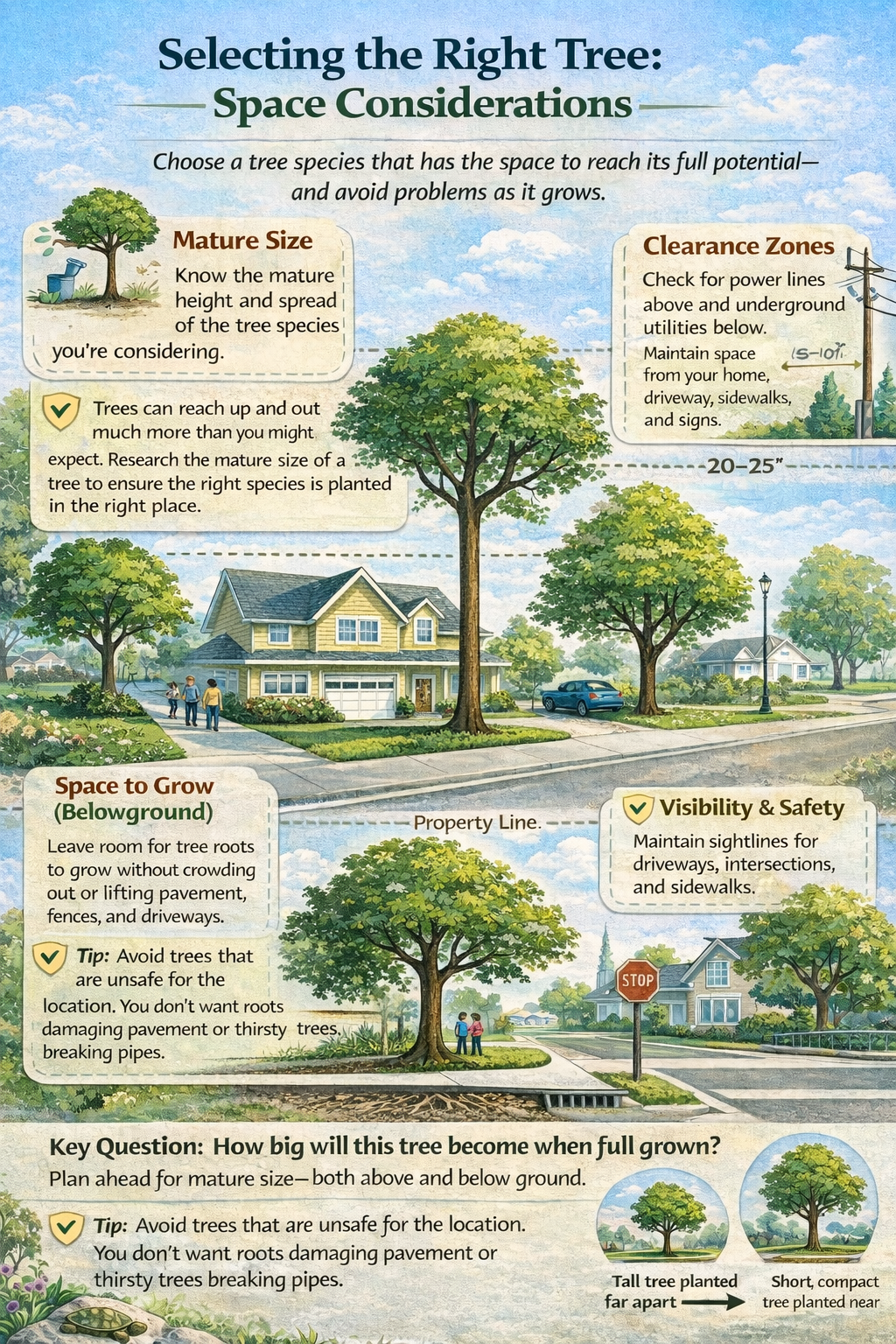
Locations matter: Before planting, consider the specific needs of the tree species you choose. Some trees thrive in full sun, while others prefer partial shade. Make sure to select the appropriate location based on sunlight, soil type, and available space.

Proof of residence will be required. Please click the boxes below for more information on the tree species available.

Smaller stock trees will be provided on a "first come, first serve" basis. Limited quantities of the tree species listed below will be available so please arrive early to the event to secure your tree. Proof of residence will be required at the event to be eligible.


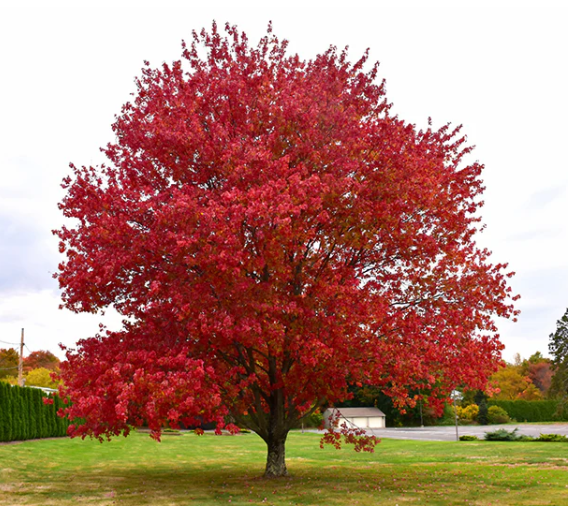
1. Red Maple (Acer Rubrum):


Tree Information:

  • Deciduous 
  • Medium-large tree (up to 20m wide and 20m high)
  • Fast growth rate (60 cm or more/yr)
  • Average lifespan: 80-100 yrs old
  • Red leaves in Fall
  • Very-high wildlife value: attracts songbirds, waterbirds, and small mammals 

Planting Information:

  • Good shade tree for backyards
  • Tolerates most soils including clay, sandy, and loamy. Thrives best in wet soils but tolerates some drought.
  • Prefers full sun but has some tolerance to shade.
  • Sensitive to Salt

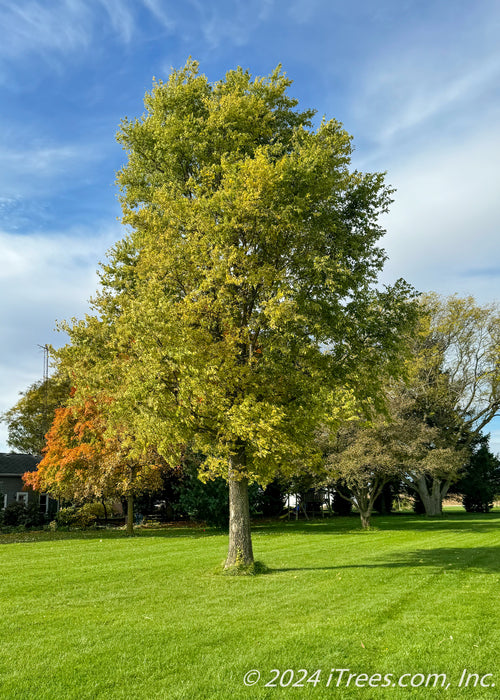
2. Hackberry (Celtis Occidentalis):

Native Hackberry Tree - iTrees.com

Tree Information:

  • Deciduous
  • Medium-large tree (up to 15m wide and 18m high)
  • Fast growth rate (60cm or more/yr)
  • Average lifespan: 150-200 yrs old
  • Yellow leaves in Fall, purple berries in Winter, green flowers in Spring/Summer
  • Very-high wildlife value: critical food source and habitat for birds, mammals, and pollinators

Planting Information:

  • Good shade tree for frontyards
  • Adapts to many soil types but grows best in moist, well drained soil
  • Moderate tolerance to flooding and drought
  • Prefers full sun but has some tolerance to shade
  • Moderate tolerance to salt

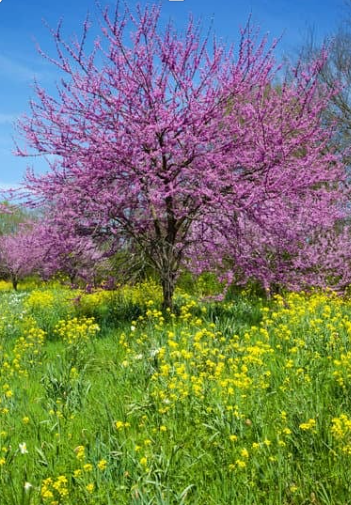
3. Eastern Redbud (Cercis Canadensis)

Tree Information:
  • Deciduous
  • Small tree (up to 11m wide and 9m high)
  • Moderate growth rate (30-60 cm/yr)
  • Average lifespan: 20-25 years
  • It is known for its vibrant pink/purple flowers that turn yellow in the Fall
  • While it may shed some small flowers and seed pods, the tree supports wildlife with its blooms and fruit 

 Planting Information:

  • Good ornamental tree for backyards
  • Adapts to various soils but does not tolerate consistent wet conditions
  • Thrives in both the sun and shade
  • Sensitive to salt
4. Canadian Serviceberry (Amelancheir Canadensis)
 Tree Information:

  • Deciduous
  • Small tree-shrub (up to 6m in width and 8m in height)
  • Moderate growth rate (30-60 cm/yr)
  • Average lifespan: 40-60 years
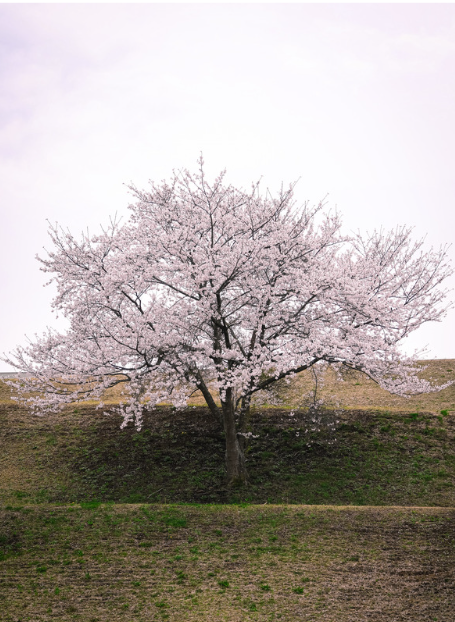
  • Fragrant Spring flowers, edible purple berries, and vibrant red and orange foliage in the Fall. 
  • High wildlife value-attracts birds, pollinating insects, small mammals including Red Fox and Flying Squirrels.

 Planting Information:

  • Good ornamental tree for frontyards.
  • Prefers moist, well-drained soils, tolerant to flooding
  • Thrives in both sun and shade
  • Sends up root suckers and will become shrubby if you do not prune them


Larger stock trees (2 or 3 gal) will be available for pre-registration up until April 30th at 12:00 pm and will be available for pick-up at the Community Safety Day event on May 9th. Please use this link:_____ to register for the species you would like and bring a copy of the email confirmation to the event.. If that species is no longer available we will reach out with similar alternatives.

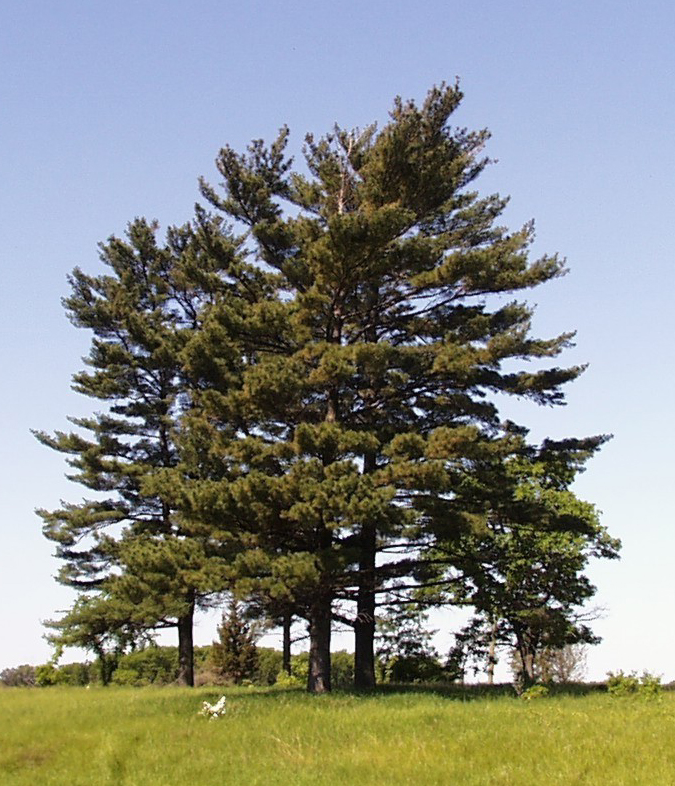
1.  Eastern White Pine (Pinus Strobus)

Tree Information:

  • Evergeen
  • Large-very large tree (up to 12m wide and 24m high)
  • Fast growth rate (60 cm or more/yr)
  • Average lifespan: 200-400 years 
  • Drops long, soft needles year-round, with heavier shedding in the Fall
  • Very-high wildlife value: provides good or shelter for several types of birds and small mammals

Planting Information:

  • Good tree for  privacy or noise screening in backyards
  • Adapts to most soils but grows best in sand or sandy loam
  • Thrives in full sun but can tolerate shade
  • Sensitive to salt, drought, heat, flooding, and soil compaction

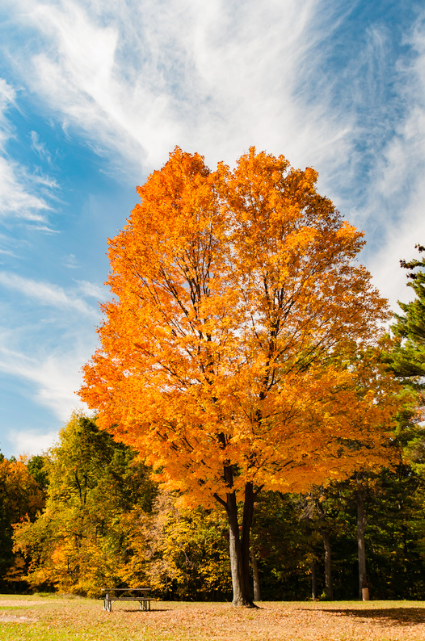
2. Sugar Maple (Acer Saccharum)

Tree Information:

  • Deciduous 
  • Large-very large tree (up to 15m wide and 23m tall)
  • Slow growth rate (<30 cm/yr)
  • Average lifespan: 200-300 years
  • Small cluster of bell-shaped blossoms appear in late April or early May. Turns yellow, bright orange, or red in the Fall. 
  • Very-high wildlife value- used by songbirds, upland ground birds, and small mammals. 

Planting Information:

  • Good for providing shade in backyards
  • Grows in a variety of soils but does not tolerate drought or flooding
  • Prefers full sun but will tolerate some shade
  • Does not tolerate salt, extreme heat, pollution, or compaction therefore not recommended for roadsides.

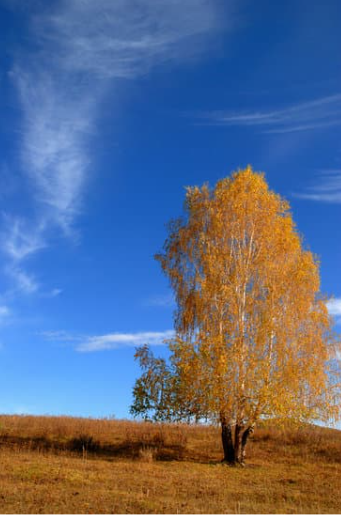
3. Paper Birch (Betula Papyrifera)

Tree Information:

  • Deciduous
  • Medium-large tree (up to 15m wide and 21m tall)
  • Fast growth rate (60 cm or more/yr)
  • Average lifespan: 50-80 years 
  • Has a small canopy and intermediate spread
  • Flowers are slender drooping, pencil-like catkins that are yellowish-green in colour emerging in late April through early May 
  • Very-high wildlife value-used by songbirds, upland ground birds and small mammals

Planting Information:

  • Grows in a variety of sites with moderate moisture and good drainage, it is rarely found in wet, poorly drained soils
  • Prefers full sun and can not tolerate shade
  • It can be susceptible to pests and disease

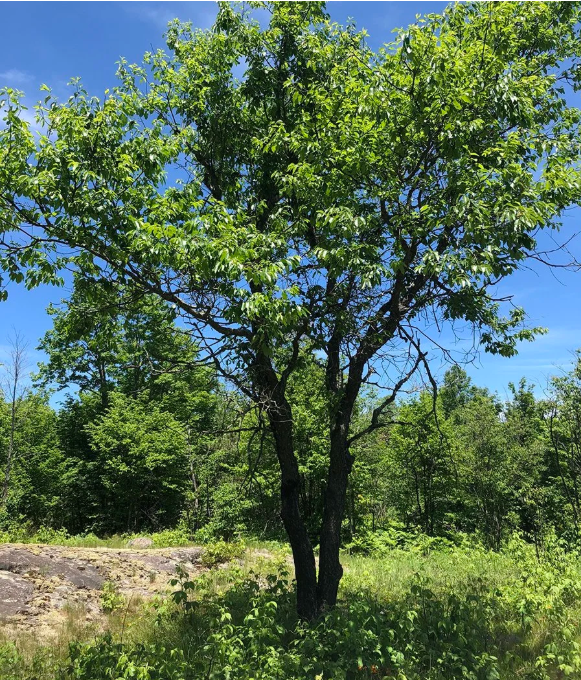
4. Black Cherry (Prunus Serotina)


Tree Information:

  • Deciduous
  • Medium-large shade tree (up to 12m wide and 18m tall)
  • Fast growth rate (60 cm or more/yr)
  • Average lifespan: approx.100 years
  • Known for its profuse spring blooms, attractive Summer foliate, and vibrant Fall color. 
  • Produces small, dark, bitter fruit that is popular with birds but can create litter along with leaf drop in the Fall.
  • Fruit will stain concrete.
  • The leaves and fruit will contain hydrocyanic acid which has the potential to poison livestock or other animals when consumed in large quantities.

Planting Information:

  • Grows in a variety of soils, prefers slightly moist soil, and will not tolerate extreme periods of wet or dry soil.
  • The tree prefers full sun but will tolerate some shade
  • Moderate tolerance to salt

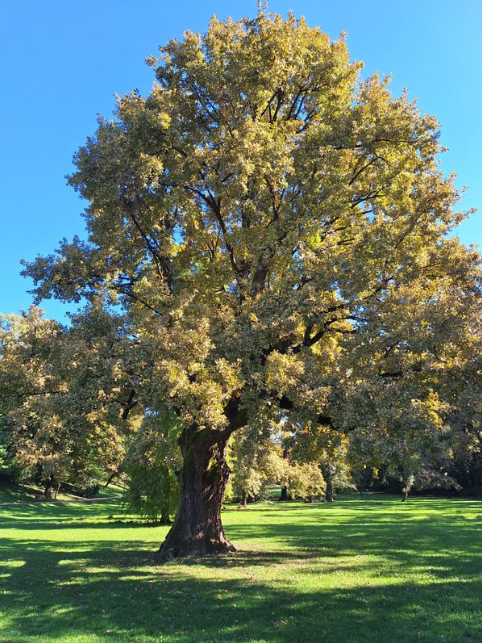
5. Swamp White Oak (Quercus Bicolor)


Tree Information:

  • Deciduous
  • Medium-large shade tree (up to 18m wide and 18m tall)
  • Slow growth rate (<30 cm/yr)
  • Average lifespan: approx. 300 years
  • Yellow-green flowers are cluster of drooping catkins that emerge in May.
  • Drops large acorns and considerable number of leaves, with the heaviest shedding in the Fall.
  • Very high wildlife value-attracts water birds, upland ground bird, songbirds and small mammals.

Planting Information:

  • Durable, long-lived tree that thrives in moderate to wet, acidic soils but can tolerate drought, flooding, salt, and heat stress.
  • Prefers full sun but can tolerate some shade. 
  • Pruning in the dormant season (before April after July) helps precent attracting beetles that could carry oak wilt. 

6. Eastern White Cedar (Thuja Occidentalis)

Eastern White Cedar (P/G+1.5)

Tree Information:

  • Evergreen
  • Small-medium tree (up to 5m wide and 18m high).
  • Slow Growth Rate (<30 cm/yr)
  • Average lifespan: approx. 200 years
  • Medium wildlife value-attracts songbirds, waterfowl, and small mammals

Planting Information:

  • Good for privacy or noise screens for backyards
  • Tolerates a variety of soil conditions, including clay and wet soils for short periods, but struggles in dry conditions and is not tolerant of prolonged flooding
  • Thrives in full sun but can tolerate some shade.
  • It can also experience winter burn in exposed locations and may suffer from damage due to ice and snow accumulation
  • Does not tolerate road salt.


The Role of Community in Urban Forestry

Supporting our urban tree canopy is a shared effort—and residents play a vital role, especially in communities where planting space is limited by impervious surfaces, underground utilities, and a lack of available public land. While the Town continues to plant and care for trees where possible, many of the best opportunities to grow the canopy are on private property.

Residents can make a meaningful impact by planting a tree in their yard and helping it thrive over time. A single well-placed tree can provide shade, reduce cooling costs, improve air quality, support wildlife, and make neighbourhoods more comfortable and beautiful.

Just as important is protecting the trees we already have. Mature trees provide the greatest benefits, and preserving them through proper care, maintenance, and thoughtful decisions during landscaping or construction helps ensure the canopy remains healthy for future generations.

Together, small actions on individual properties add up—strengthening our community forest and helping our neighbourhoods stay greener, cooler, and more resilient as the climate changes.

The Benefits of Trees

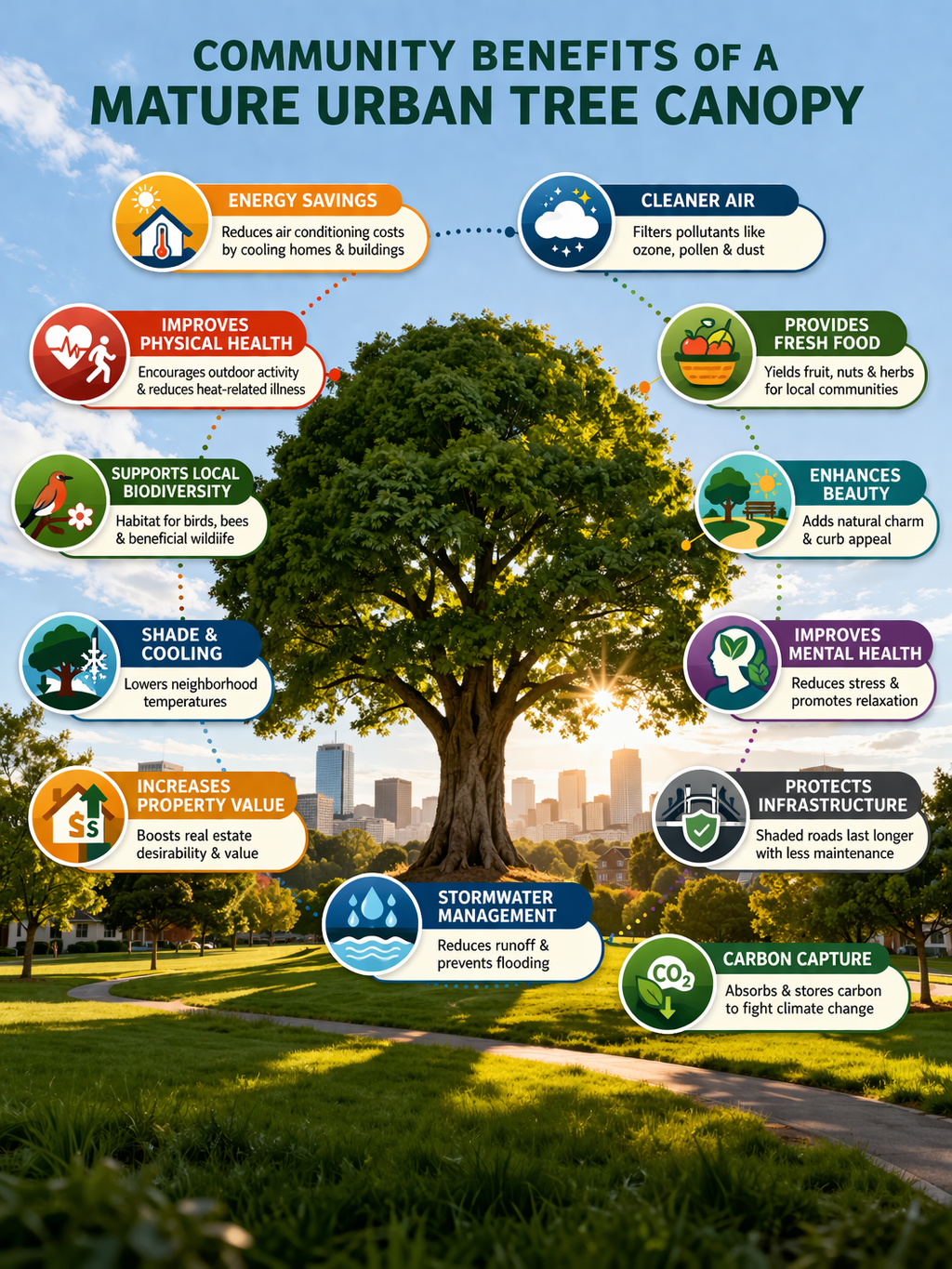
Trees are some of the most important assets in any neighbourhood, delivering a broad range of environmental, social, and economic benefits that improve everyday life for residents. As vital green infrastructure, they help address climate change, enhance air quality, and support local biodiversity. Trees also add beauty and comfort to public spaces, providing shade and inviting areas for recreation and community connection.

Mature trees help lower energy use by shading building sin summer and reducing wind exposure in winter. This can decrease the need for air conditioning and heating, saving money and reducing overall energy demand. 

Trees improve air quality by filtering pollutants such as dust, smoke, and exhaust particles from the air. They also absorb gases like nitrogen dioxide and ozone, helping create healthier neighbourhoods. 

Tree-lined streets and green space encourage walking, cycling, and outdoor recreation. Access to shaded, attractive areas also supports active transportation and can reduce heat-related health risks. 

Urban fruit and nut trees can provide locally grown food for residents and wildlife by providing shelter, nesting areas, and food. Native tree species are especially important for supporting local ecosystems.

A mature canopy creates habitat for birds, pollinators, and other wildlife by providing shelter, nesting areas, and food. Native tree species are especially important for supporting local ecosystems. 

Trees add character, colour, and seasonal interest to streets and parks. A healthy canopy contributes to vibrant neighborhoods and creates welcoming public spaces. 

Large trees provide natural shade that cools sidewalks, parks, and homes. This reduces the urban heat island effect and helps make outdoor spaces more comfortable during the warmer months. 

Access to trees and green spaces can reduce stress and support overall wellbeing. Natural environments are linked to improved mood, better focus, and a stronger sense of community connection. 


Homes and neighbourhoods with established trees are often more desirable and can have higher property values. A mature canopy can also enhance curb appeal and neighbourhood pride. 

Trees help manage rainfall by intercepting water in their leaves and branches and absorbing it through their roots. This reduces runoff lowers the risk of flooding, and supports healthier waterways. 

Tree roots help stabilize soil and reduce erosion, while canopy cover can protect pavement from extreme heat and weathering. Strategic tree planting can also help shield buildings and public spaces from wind and sun exposure. 


Trees absorb carbon dioxide as they grow and store it in their trunks, branches, and roots. Maintaining and expanding the urban tree canopy helps reduce greenhouse gas levels and supports climate action goals. 

Planting Site Conditions

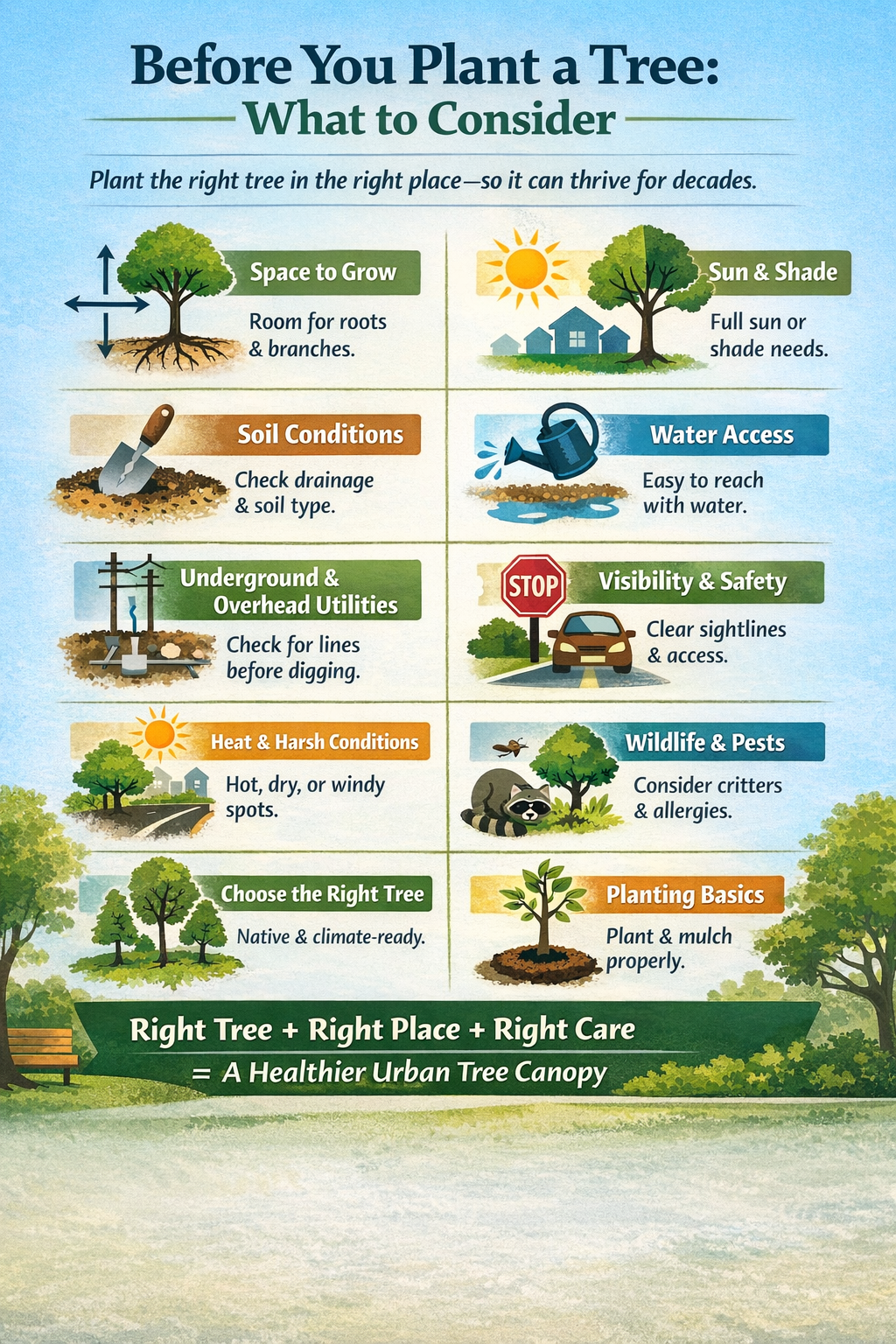
Planting a tree is a long-term investment in your home and community. Before you dig, it’s important to consider the conditions on your property so your tree has the space and support it needs to grow and thrive. This infographic highlights key factors to help residents choose the right tree, plant it in the right place, and contribute to a healthier urban tree canopy for years to come.

Contact Us

Town of Grimsby
160 Livingston Avenue
Grimsby ON, L3M 0J5
Phone: 905-945-9634
Fax: 905-945-5010

Sign up to stay up to date with news from the Town of Grimsby

Stay up to date on the Town's activities, events, programs and operations by subscribing to our News Alerts.